Sustainability Initiatives
Environmental stewardship is a long-standing hallmark of Three Rivers Park District’s mission. Since 1957, the organization has been dedicated to the preservation and restoration of parkland, watersheds and native plants and animals. In the 1980s, Three Rivers adopted a mission to encourage people to care for the environment. The Park District does this by providing recreation and learning opportunities in a natural resources based park system.
The Park District strives to be a leading sustainable regional parks system that meets the needs of the present while making sure that future generations’ needs are also met. Learn about the sustainability initiatives Three Rivers has adopted below.
- Agriculture
Sustainable agriculture is a system of farming that strives to produce the resources necessary for present human needs while conserving the earth’s ability to sustain future generations. Sustainability is practiced at Gale Woods Farm, a Three Rivers Park District facility located in Minnetrista, in several ways:
Regenerative grazing
We raise sheep, cattle, pigs and chickens to produce meat, eggs, and fiber. Rotating the livestock between our pastures and hayfields regenerates soil nutrients.
Integrated livestock and plant systems
Livestock enhance the gardens by providing compost for soil improvement, grazing cover crops to control weeds and eating pests in our orchard.
Organic practices
While not certified organic, Gale Woods relies primarily on organic fertilizers and not-chemical pest control.
Community supported agriculture
Gale Woods connects directly with customers for economic stability. We sell all of our products on site through Community Supported Agriculture shares, a program in which customers purchase shares in advance of growing and harvesting. This means that they share in the weather and climate related risks of farming, as well as the rewards of fresh produce and bountiful years.
To learn more, visit Gale Woods for a self guided tour or come for a public program.
- Education
While perhaps not immediately visible, sustainability education is integrated into all of Three Rivers' programming. Whether you are a student at summer camp learning how to recycle for the first time or an adult rafting down the Mississippi River learning about the importance of aquatic ecosystems, sustainability is a current running through our programs.
Interested in learning more? Visit our nature centers to talk with a naturalist!
Three Rivers' nature centers host educational programs but also feature informational panels and interactive exhibits which allow for self-guided education. For example, you can visit Richardson Nature Center to learn about the photovoltaic (PV) system on their roof, which uses energy from the sun to provide 40-50% of the electricity the building needs.

Richardson Nature Center's indoor children's play area. View this dashboard to see current statistics on Richardson's solar generation.
- Energy
Sustainable Design
Sustainable design efforts are primarily focused on energy efficiency and include design of new buildings, updating existing buildings and monitoring of energy consumption. The Park District utilizes the MN B3 Sustainable Building Guidelines and Xcel Energy Design Assistance for major new building projects. Other actions the Park District has taken include:
- Completing a comprehensive lighting retrofit of nearly all existing buildings over the past fifteen years.
- Replacing heating and cooling equipment with more efficient models.
- Creating a Sustainability Fund to supplement rehabilitation budgets when needed. The Sustainability Fund also provides funding for small, staff-generated sustainability projects and for maintenance equipment purchases.
- Providing funding through the Sustainability Fund for a multi-year program of roof-top solar PV projects.
- Tracking and monitoring all energy consumption, which allows all Park District staff to view and directly impact energy consumption of facilities.
Sustainable Equipment and Vehicles
As of 2024, the Three Rivers vehicle fleet contains 32 electric utility vehicles, 15 hybrid vehicles, five electric reel mowers, one electric snowmobile and one electric forklift. Even though Three Rivers Park District has increased in size since 2008, adding more parks, golf courses and trails, and therefore more equipment, we still reduced our greenhouse gas emissions.
The steps the Park District has taken to reduce our emissions include:
- Having our crews drive the most efficient vehicles they can while still getting their work done.
- Implementing new technologies from vehicle and equipment manufacturers which make gas, diesel, and electric engines more efficient.
- Using battery powered weed trimmers, chainsaws, pruners, blowers, and push mowers to reduce the amount of fuel used.
- Natural Resources Management
For over 50 years, Three Rivers has been a leader in restoring and enhancing native landscapes. With nearly 27,000 acres of parklands, our protected and managed forests, prairies, and wetlands ensure that current and future generations can enjoy these precious natural resources in perpetuity. Healthy native plant communities conserve soil, provide wildlife habitat, buffer waterways, recycle nutrients and sequester carbon.
The Park District’s approach to landscape-scale ecosystem management strives to create self-sustaining natural systems that contribute to climate adaptation in the region. Every acre of restored prairie and carefully planted reforestation site increases the ecological function and resiliency of these significant natural areas.
- Water Resources
Water Quality Monitoring and Rehabilitation
Three Rivers' water resources team samples and monitors the water quality of 35 lakes and 18 stream sites and collaborates with other organizations to protect and restore natural bodies of water. They also monitor and rehabilitate public wells to ensure safe drinking water.
Groundwater Versus Surface Water
Groundwater is water pumped from wells drilled into an aquifer. Aquifers take a long time to refill, so it is more sustainable to use surface water (i.e. lakes, ponds, rain), which replenishes much more quickly. The Park District tries to use surface water instead of groundwater if possible. For example, Three Rivers' golf courses reduce their reliance on ground water by drawing some water for irrigation from ponds full of rainwater and runoff from nearby parking lots.
Three Rivers is also actively investigating ways to increase their use of surface water. See below to learn about several studies that are underway to improve the conservation of water.
- Elm Creek Park Reserve Snowmaking Water Re-Use Study: This study considers alternative sources of water for snowmaking at Elm Creek Park Reserve. Currently, the park relies on groundwater via the City of Maple Grove potable water system for snowmaking, but the goal is to rely on surface water.
- Eagle Lake Golf Course Water Re-Use Study: This study evaluated the efficacy of modifying existing stormwater infrastructure and nearby drainage areas to irrigate the golf course instead of using ground water from a well pump system.
- Crow-Hassan Park Reserve Nursery Water Re-Use Study: The current source of water for irrigation of nursery plants is groundwater. A study has been proposed to evaluate the efficiency of the current irrigation system as well as develop alternative options that would reduce ground water use.

Breakdown of where Three Rivers uses their surface water and groundwater.


Sustainability Plans
Three Rivers continues a legacy of stewardship though its sustainability efforts. A planning refresh is slated for 2026, offering the opportunity to measure progress, realign goals and metrics and explore new initiatives in sustainability and climate action.
Sustainability Goals
Three Rivers’ sustainability goals include providing opportunities for public education and involvement in their sustainability initiatives, reducing greenhouse gas emissions and managing parks in a way that ensures their longevity. Learn about future sustainability goals, targets and areas of implementation by reading our sustainability plan or looking at a graphic overview.
Latest Sustainability Report
View the latest assessment of Three Rivers’ sustainability practices. This report examines the Park District’s sustainability program and recommends strategies to meet future sustainability targets.
Related Blog Posts

6 Ways Three Rivers Makes Golf Sustainable
By: Erin Korsmo
Golf and sustainability are words that you may not often hear in the same sentence, but at Three Rivers, we have found a way for golf and environmental stewardship to work together. Read on to learn how we are putting sustainability first on our golf courses.

Gale Woods Farm is a unique part of Three Rivers Park District. Learn how the farm came to be and how farming and environmental stewardship go hand-in-hand.
Sustainability Challenge: World Car Free Day
By: Andrea Breitung
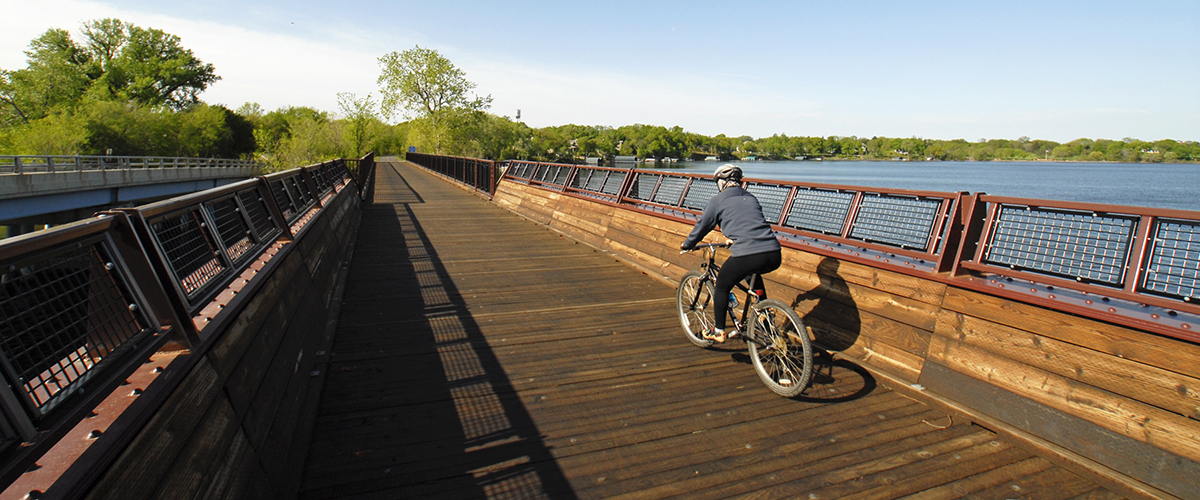
World Car Free Day, held September 22, is an annual day with the goal of encouraging a world less reliant on cars. Read on for ideas to ditch your vehicle and challenge yourself to see if you can go car-free for one day.