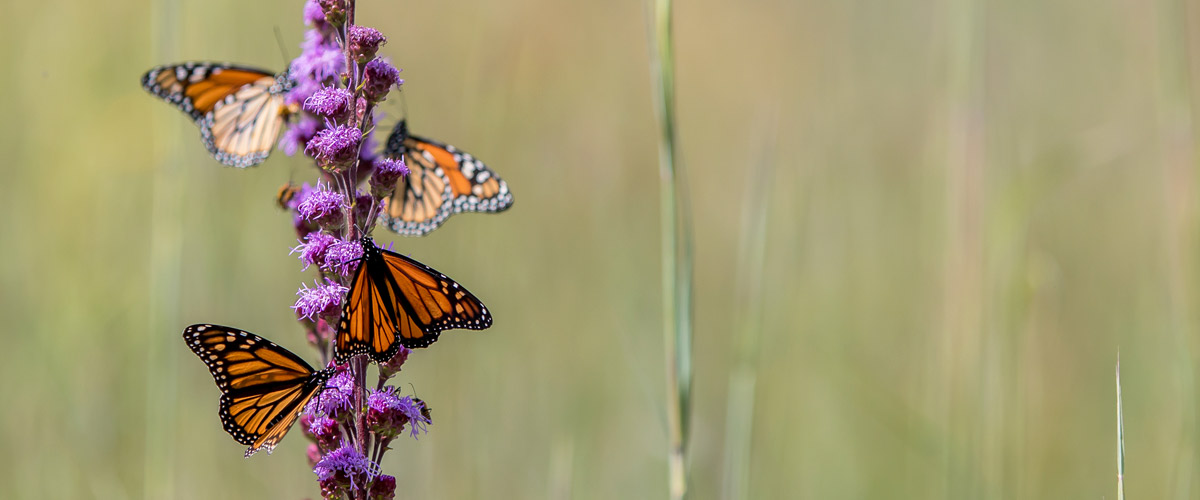
Wildlife
Wildlife Management is responsible for maintaining wildlife populations within the Park District through habitat management, reintroductions and management of species of special concern, population control and general monitoring.
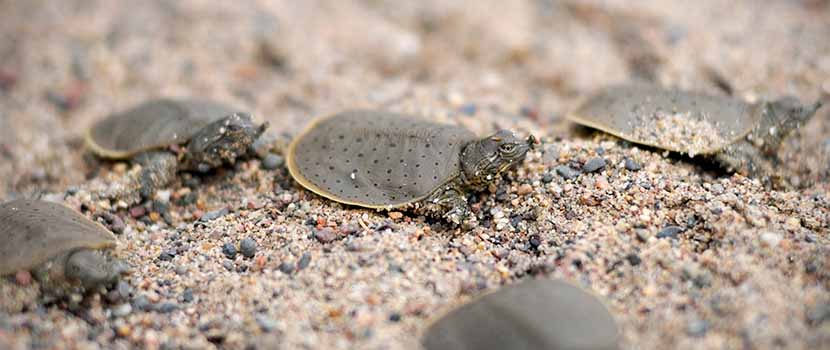
Three Rivers conducts wildlife surveys to monitor and promote animal and plant populations.
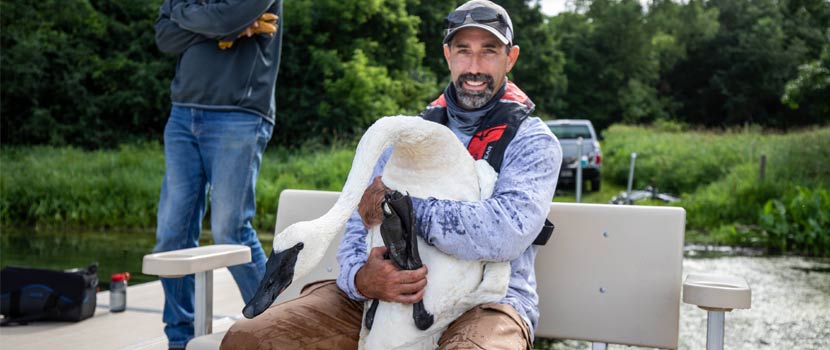
Wildlife Management has established programs to help with the reintroduction of native species to Three Rivers, including trumpeter swans, ospreys, bullsnakes and regal fritillaries.
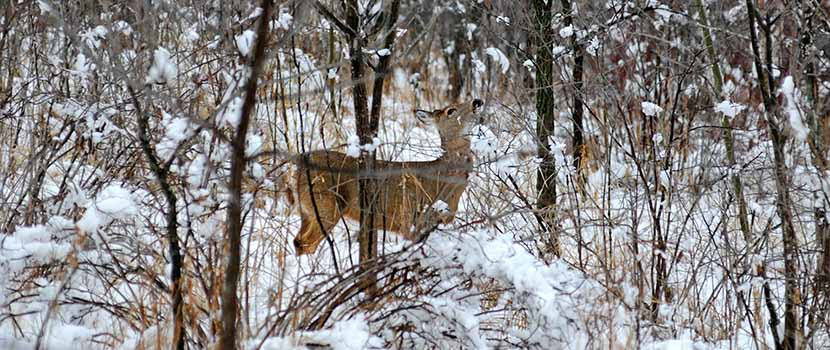
Three Rivers conducts management programs for a variety of wildlife species of concern, as well as for wildlife whose increasing population in the metro area is of concern for the species, habitat and the public. Managing for any wildlife species involves providing suitable habitat and maintain a healthy but controlled population.
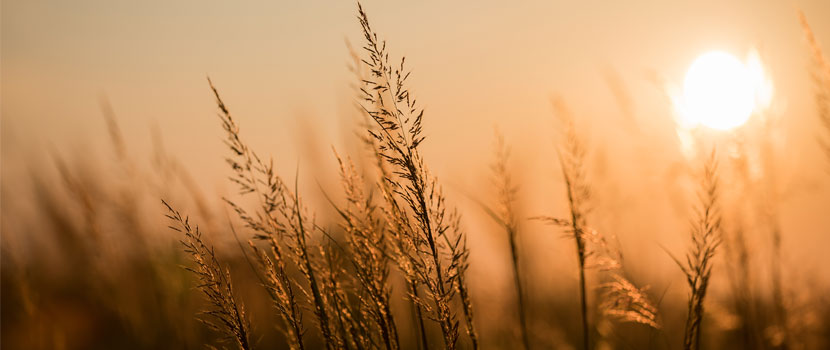
Three Rivers Park District is the largest manager of prairie habitat in Minnesota and has restored approximately 1,600 acres of prairie habitat.
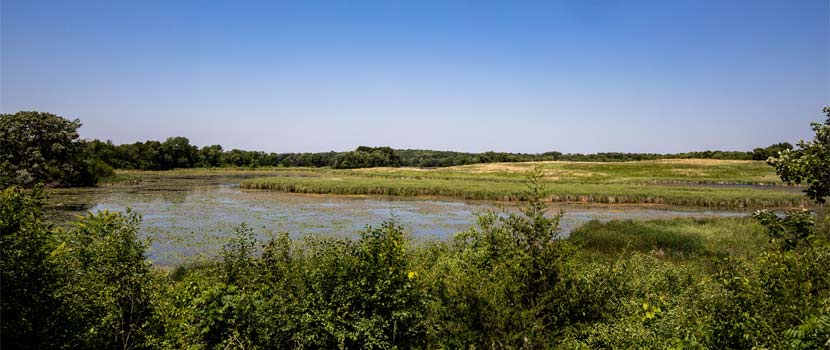
Early settlers drained most of the wetlands that were once present in the area. Consequently, many of the wetlands you see around Three Rivers today are the result of our restoration efforts.
Volunteer
There are plenty of ways to volunteer in cooperation with the Three Rivers Department of Natural Resources. Put your time to good use by helping to protect and enrich our earth!
From August to October, volunteers are also needed to help collect seeds from the restored prairies managed by Three Rivers Park District. One-time and ongoing volunteers are welcome to help with prairie seed collection.
Donate
You can support our wildlife projects with a donation.