Water Resources
The Park District’s 27,000 acres of parkland includes 43 lakes, more than 30 miles of rivers and streams and over 8,000 acres of wetlands.
Work done by the water resources team includes:
- Sampling water quality of 35 lakes
- Flow monitoring and water quality sampling at 18 stream sites
- Sampling and rehabilitating wells to assure safe drinking water for the public
- Weekly sampling during the summer at public beaches for E. coli bacteria
- Work with partner organizations to protect and restore lakes and streams, and improve overall water quality
Water Resources is the newest of Three Rivers’ natural resources management units.
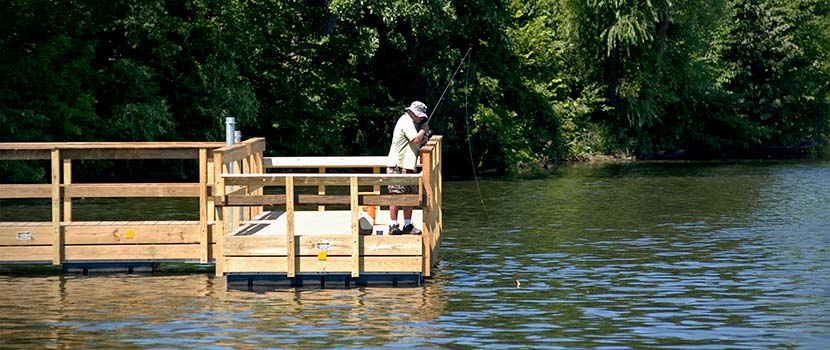
Three Rivers Park District’s Water Resources Team is committed to improving the water quality of lakes located within the parks, and has successfully completed two major water quality improvement projects.

Aquatic Invasive Species (AIS) are non-native plants, animals and pathogens that can thrive in our waterways and cause environmental damage and economic loss. AIS are an increasing problem in our watersheds.
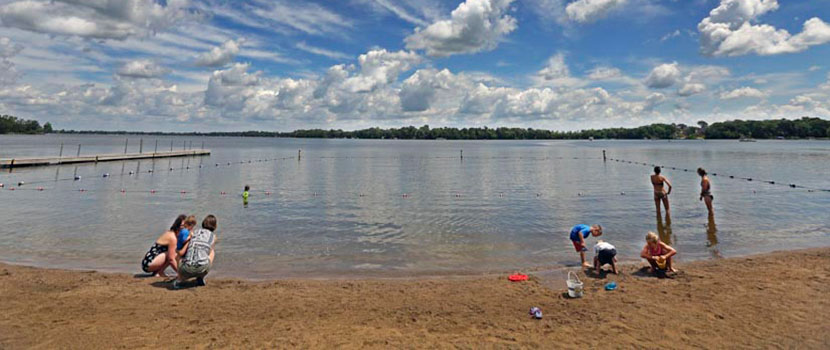
During the summer, beaches may be closed for a variety of reasons. Three Rivers Park District tests the water at swimming beaches on a weekly basis between Memorial Day and Labor Day in order to ensure the water is safe for guests.
Wetlands
Wetlands are a vital feature of our natural resources. Three Rivers has been working to restore, protect and recreate wetlands around the Park District, as many wetlands were drained to improve water quality and provide a key wildlife habitat.
Three Rivers manages a system with over 40 water control structures that allow staff, under DNR permit, to manage the water levels in the wetlands. Water level manipulation is used to increase plant diversity and improve habitat for wetland nesting birds, breeding frogs and aquatic mammals. Many of the water control structures have been in place for over 30 years. The Park District is currently developing a replacement program so the wetlands can be maintained and used by a variety of wildlife for years to come.
Some of the best restored wetlands for viewing wildlife can be found at:
- King Marsh in Carver Park Reserve
- Kasma Marsh in Lake Rebecca Park Reserve
- North Twin Marsh in Crow-Hassan Park Reserve
Drought
Drought occurs regularly in Minnesota, but severe drought can negatively affect our environment, including our water resources. Learn more about drought in Minnesota from the Minnesota Department of Natural Resources and the U.S. Drought Monitor.
Volunteer
There are plenty of ways to volunteer in cooperation with the Three Rivers Department of Natural Resources. Put your time to good use by helping to protect and enrich our earth!